Encyclopedia Anachronistica

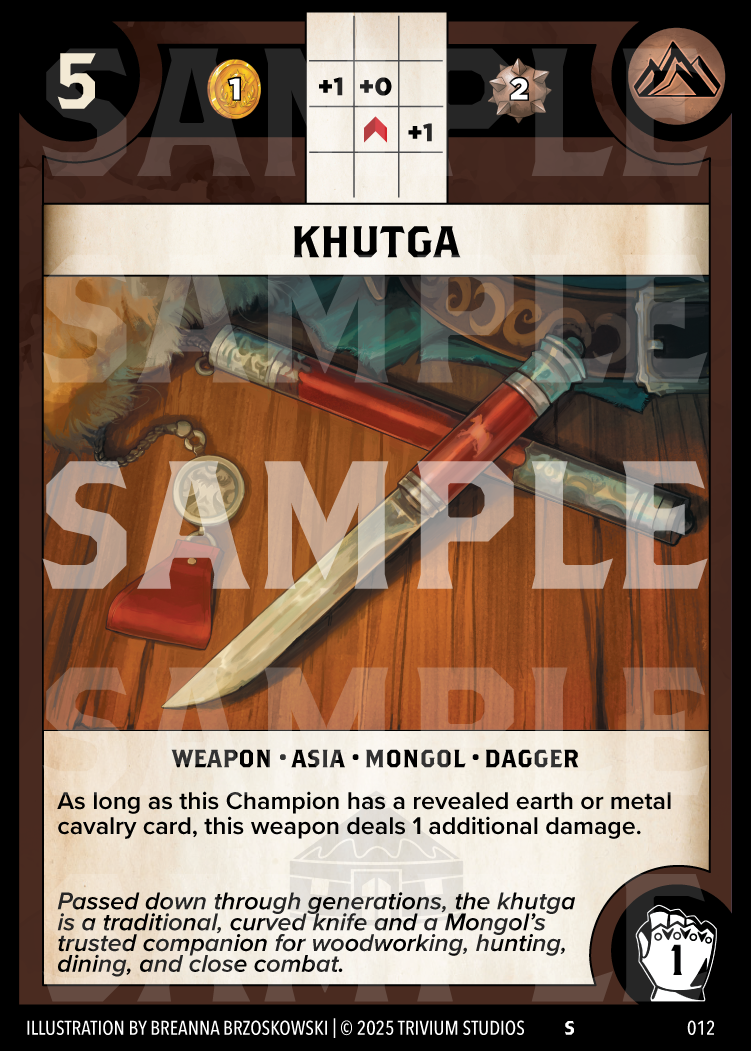
Standard
Weapon
Asia
Mongol
Dagger
As long as this Champion has a revealed earth or metal cavalry card, this weapon deals 1 additional damage.
Passed down through generations, the khutga is a traditional, curved knife and a Mongol's trusted companion for woodworking, hunting, dining, and close combat.
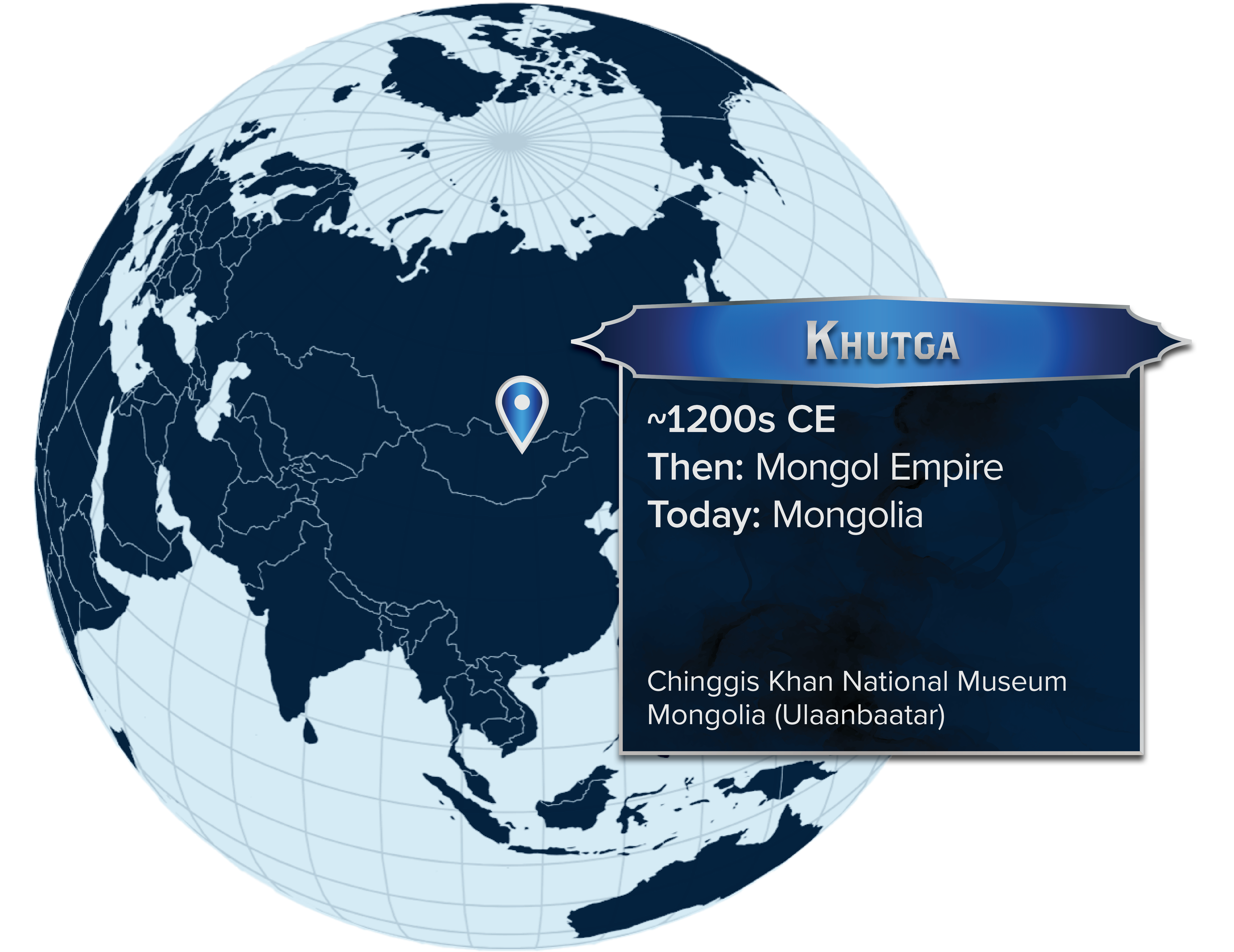
The Mongolian khutga knife is a traditional blade carried by nomadic horsemen for centuries—equal parts tool, weapon, and cultural emblem. It reflects the rugged lifestyle, craftsmanship, and symbolic depth of Mongolian heritage.
Known more broadly as khet khutga, this knife is part of a larger set of implements traditionally worn on the belt of a Mongolian man. The full set often includes the knife itself, a sheath, chopsticks, a flint kit (khet), and sometimes a hook or chain. These items were not just practical—they were status symbols, crafted with care and often adorned with silver, bone, coral, or carved wood.
The khutga’s blade is typically forged from stainless or Damascus steel, with a handle made of wood, bone, or cork. The scabbard is often richly decorated, featuring motifs like spirals, dragons, fish, or fire—symbols tied to Mongolian cosmology and blacksmithing traditions. Some knives even include recesses for chopsticks, a design that emerged after cultural exchanges with Han Chinese during the Mongol Empire.
Historically, the khutga was indispensable to daily life. Nomads used it for everything from preparing food to kindling fires, defending themselves, and performing ritual tasks. It was worn tucked into the sash of the deel (traditional robe), or hung at the entrance of the yurt as a sign of readiness and protection. In some cases, the knife was passed down through generations, becoming a treasured heirloom.
During the Qing era and into the 19th century, Mongolian cavalrymen carried khutga knives as part of their standard gear. These blades were compact but durable, often paired with flint kits for survival in harsh terrain. The craftsmanship of these knives—folded blades with visible temper lines, polished wood handles, and bronze fittings—demonstrates the high quality of Mongolian metallurgy even in late periods.
The knife also holds symbolic weight. In Mongolian culture, blacksmiths were revered, and the act of forging a blade was considered sacred. The khutga, as a product of this tradition, was more than a tool—it was a reflection of the bearer’s identity, skill, and connection to ancestral ways. Its presence in museum collections and ceremonial attire today speaks to its enduring legacy.
Though less known outside Mongolia, the khutga remains a powerful emblem of nomadic resilience and artistry. Whether used for slicing meat, lighting fires, or adorning a warrior’s belt, it embodies the spirit of a people shaped by wind, steppe, and steel.